DTF transfers are one of the fastest ways to produce full-color apparel without the setup burden of screen printing or the labor of vinyl. But not all DTF is built the same.
This guide explains what actually matters when you need transfers that work in real production — speed, consistency, repeatability, and the ability to scale without breaking.
If you run a print shop, apparel brand, or production workflow, this is the version worth understanding.
What Are DTF Transfers?
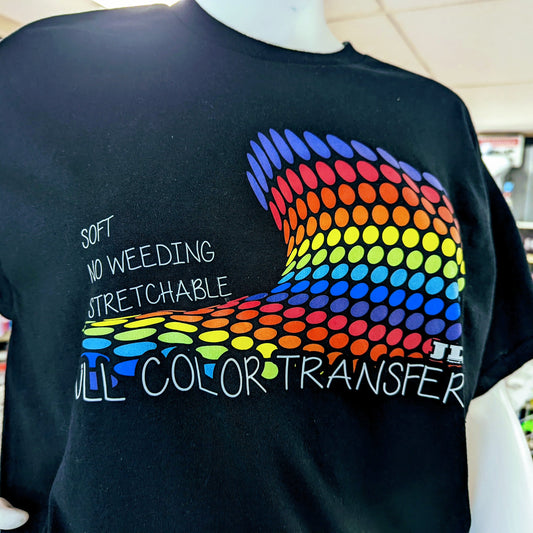
DTF (Direct to Film) transfers are pre-printed heat transfers that allow full-color designs to be applied to garments without screens, weeding, or pretreatment.
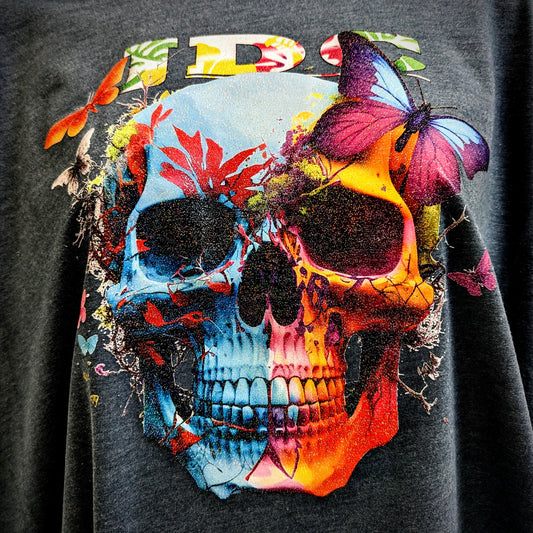
Full-color output with no color limitations
Works on cotton, polyester, and blends
No pretreatment required
Press-ready out of the box
For most businesses, DTF is not just a decoration method — it is a way to move faster, handle more complex artwork, and reduce production friction.
Who DTF Transfers Are Best For
Print Shops
Increase throughput without increasing labor or setup time.
Apparel Brands
Launch and scale designs without committing to large decorated inventory.
Brokers & Distributors
Sell confidently without managing production complexity.
POD & Store Programs
Reliable, repeatable output for ongoing fulfillment workflows.
Production Advantages (JDC Process)
JDC transfers are engineered for real production environments where time, consistency, and garment risk all matter.
Low-temp, fast-cycle application: 260°F for 6 seconds
Instant peel: no waiting, no workflow slowdown
No second press required: reduces press time and operator steps
Reduced dye migration risk: lower temperature helps protect polyester and high-bleed garments
Built for throughput: optimized for speed and repeatability
Cutting seconds per press across volume is not a small gain — it is a system-level advantage.
Communication: issues handled early, not after production
Good DTF is not just print quality — it is process control.
Why Most DTF Fails in Production
Many DTF providers produce transfers that look acceptable once but fail under real production conditions.
Slow press cycles that kill throughput
Inconsistent color between orders
Dye migration issues on polyester
Poor handling of low-quality artwork
Unpredictable turnaround times
These problems compound as volume increases. What works at small scale often breaks at production scale.
What Makes JDC Different
Built by operators
JDC is built around real production experience — not theory. That includes handling difficult artwork, managing deadlines, and maintaining output under pressure.
Consistency across time, equipment, and location
Consistency is not just about one machine. JDC is built to maintain output across runs, production lines, and facilities.
Speed without instability
Fast turnaround only matters if it holds up under load. JDC is structured to deliver speed without sacrificing consistency.
Designed for scale
From one-off jobs to ongoing production programs, JDC is built to support volume without breaking process.
Built for Scale & Consistency
One of the hardest problems in DTF is maintaining consistent output across time, equipment, and locations. Most providers struggle with this.
Independent color profiling: each production line matches output standards
Cross-location consistency: orders remain consistent regardless of facility
Reliable reorders: repeat jobs match prior production
System-driven production: workflow, color, and output are aligned
This matters for store programs, repeat business, and any workflow where consistency is expected.
DTF vs Other Decoration Methods
DTF vs Screen Printing
No setup or screens
No color limitations
Better for short and mid-size runs
DTF vs HTV
No weeding required
Handles complex designs
More scalable
DTF vs DTG
No pretreatment required
Separates print and garment workflow
Artwork Expectations
Most production issues originate in artwork, not printing.
Higher resolution improves detail
Transparent backgrounds improve edges
Correct sizing prevents scaling issues
Fine detail requires realistic expectations
JDC is built to handle real-world artwork and prepare it for consistent output.
How to Press DTF Transfers
Temperature: 260°F
Time: 6 seconds
Pressure: Medium to firm
Peel: Instant peel
Second press: Not required
This process is optimized to reduce cycle time and garment risk.
Beyond Standard DTF
Neon and specialty-effect transfers
Efficient gangsheet workflows
Advanced artwork preparation and cleanup
Handling of complex and difficult files
The goal is not just to print transfers — it is to remove friction from real production workflows.
Frequently Asked Questions
What makes JDC DTF different?
Built for speed, consistency, and production reliability.